How the Market Works

Real estate crowdlending in Chile: the full picture

From how projects are structured to how platforms operate and what the regulatory framework looks like. An educational overview without commercial framing.

The Basics

How a typical transaction is structured

A real estate crowdlending transaction involves at minimum three parties: the developer seeking financing, the platform that structures and administers the loan, and the participants who provide the capital. In practice there are often additional parties, such as legal trustees, guarantee administrators, and technical supervisors.

The developer presents a project to the platform. The platform evaluates the project, structures the financing terms, and publishes the opportunity to its registered participants. Participants review the available information and decide whether to participate. Once the target amount is reached, the loan is disbursed to the developer. The developer repays according to the agreed schedule, and the platform distributes those payments to participants.

The platform charges fees for its services, typically a combination of origination fees from the developer and administration fees. The structure of those fees affects the net return to participants and is worth examining in any specific opportunity.
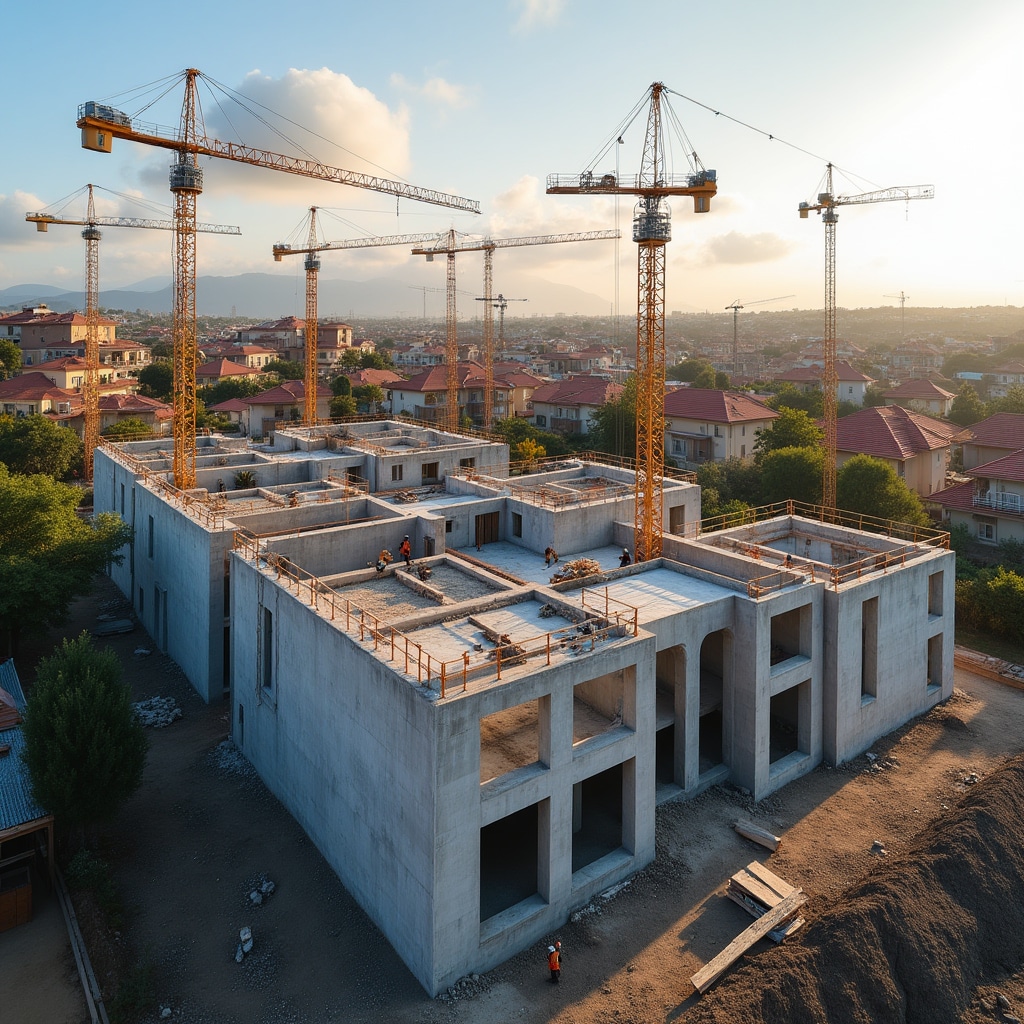

Wide aerial view of an active residential construction site in Chile with cranes and building frames visible
Project Types

What kinds of projects use crowdlending?

Apartment buildings and housing developments are the most common project type in Chilean real estate crowdlending. These projects typically require financing for land acquisition, pre-construction costs, and the construction phase itself. The loan is often repaid from the proceeds of unit sales. The risk profile depends heavily on the pre-sale rate achieved before construction begins and the developer's track record.

Office buildings, retail spaces, and mixed-use projects are also financed through crowdlending in some cases. These projects may have different repayment structures, sometimes relying on rental income rather than sales proceeds. The evaluation criteria for these projects differ from residential developments, particularly around occupancy assumptions and tenant quality.

Some crowdlending transactions finance the acquisition of land for future development, or the costs of obtaining permits and preparing a site. These are typically earlier-stage transactions with different risk characteristics than construction financing. The primary risk is often whether the development plan can be executed as expected, which depends on regulatory approvals and market conditions at the time construction begins.

Bridge loans provide short-term financing to cover a gap between two financing events, such as between the end of a construction loan and the receipt of sale proceeds. These structures are common in real estate and can be financed through crowdlending platforms. They tend to have shorter terms than full construction financing, which changes the liquidity profile for participants.

Regulatory Context

The CMF framework and what it means

Professional reviewing regulatory documents and legal frameworks at a modern office desk with city view

The Comisión para el Mercado Financiero (CMF) is Chile's primary financial regulator, overseeing banks, insurance companies, securities markets, and increasingly, fintech operators including crowdfunding and crowdlending platforms.

Chile's Fintech Law (Ley Fintec, Ley 21.521) came into force in 2023 and established a framework for the regulation of financial technology companies, including crowdfunding platforms. Under this law, platforms that intermediate in financial operations are required to register with the CMF and comply with ongoing requirements around transparency, capital, and participant protection.

CMF registration does not mean a platform has been endorsed or that its projects are safe. It means the platform has met certain structural requirements and is subject to ongoing oversight. Participants should verify a platform's registration status directly with the CMF before engaging.

Due Diligence

What to examine before engaging with any platform

Platform credentials

Verify CMF registration status. Review the platform's legal documentation, fee structure, and complaints process. Check how long it has been operating and how many projects it has completed.

Project documentation

Review the loan agreement, the project description, the developer's background, and the collateral structure. Understand what information is available and what questions remain unanswered.

Risk factors

Construction delays, cost overruns, market changes, and developer insolvency are all risk factors in this type of financing. Understanding how each is addressed in the specific structure matters.